
What’s genuinely “new” in 2025
1) VST’s electric-start highlight (16 HP)
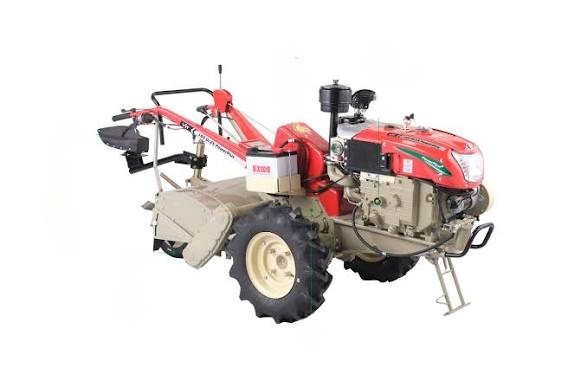
At agri expos early this year, VST put the VST 165 DI ES (Electric Start) power tiller front and center. If you’ve wrestled with rope starts, this is the kind of small upgrade that feels big in daily use—especially for frequent stop-start work.
2) A teaser for electric power tillers
The other headline: VST says it will launch a fully electric power tiller (and a power weeder) in FY 2025–26. It’s not on shelves yet, but if you’re planning a purchase next year and have reliable power at the farm, it’s worth keeping an eye on—lower running costs and less maintenance could be the draw.
3) Why the buzz matters
Power tillers are having a good year: VST’s monthly numbers show the segment’s still growing, which usually translates into better dealer availability, spare parts, and exchange options for you.
Bottom line: 2025 isn’t a flood of brand-new models—but there are meaningful upgrades (like electric start) and a clear move toward electric options in the near future.
“New” vs “new to you”: models you’ll keep seeing
A lot of the machines you’ll meet at the dealership are proven workhorses that keep getting small improvements.
- KAMCO KMB 200 / ER-series
Known for solid build and wet-land friendliness; the KMB 200 remains a staple in many states. If puddling and paddy are your main jobs, this is exactly the kind of spec you’ll be offered. - Shrachi Virat 13 HP
You’ll see plenty of marketing and demos through 2025; it’s a popular 13 HP class machine with national presence. (The Virat line launched earlier and continues to be pushed this year.)
Tip: Don’t worry if a brochure says “new” but the model name feels familiar—manufacturers often refresh features (starter, ergonomics, PTO/gear tweaks) without changing the badge.
How to choose (super quick guide)
1) Start with your soil & crop
- Paddy/wet land: Look for water-friendly design, cage wheels compatibility, and reliable sealing. (KAMCO’s long-running packages are built for this.)
- Horticulture/vegetables & inter-row: Prioritise narrow width, lighter weight, easy maneuvering, and quick-attach tools.
2) Power & start type
- 13–16 HP covers most small & mid plots. If you’re frequently stopping to change attachments or move plots, electric start saves shoulders and time (VST’s 165 DI ES is a handy example).
3) Attachments you’ll actually use
Rotary tiller is basic, but budget for puddler, ridger, trailer, water pump or sprayer if they matter to your crop calendar. Ask the dealer to demo at least two attachments before you decide.
4) Service radius beats spec sheets
A solid local workshop and fast parts supply can matter more than a 0.5 HP difference. Growing sales also mean better after-sales coverage—worth checking in your district.
5) Eye on the future
If you plan to buy in 2026, keep tabs on the first electric power tillers. For farmers with steady grid access (or a good solar setup), the running-cost math could be attractive.
Sample shortlists (by use-case)
- Mostly paddy + some transport: a wet-land friendly KAMCO KMB-series or equivalent; ensure cage wheels & puddler fit are included in the quote.
- Mixed vegetables + frequent starts/stops: a 13–16 HP electric-start unit to save effort (e.g., VST 165 DI ES).
- Planning next year, light daily chores, keen on low maintenance: watch for the first electric tillers as they hit the market.
Quick checklist to carry to the dealer
- Test starting (cold) and vibration at working rpm.
- Ask for two real attachments in the demo (not just a quick spin).
- Confirm service interval, warranty, and nearest authorised workshop.
- If you’ll use it in waterlogged plots, check sealing and ask for a puddling demo.
- Get the on-road price with all tools you need—no surprises later.