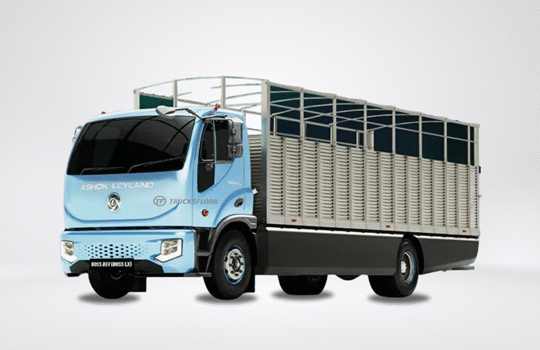
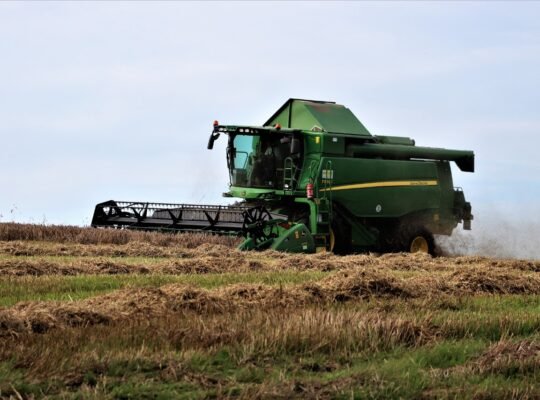


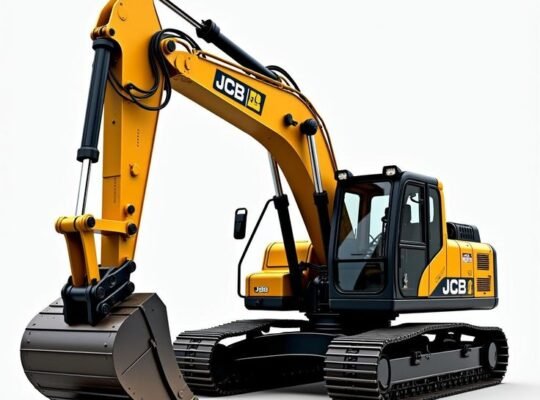

For used commercial vehicles, here’s a refined guide on maintenance tips. This will be useful for fleet owners, small operators, and individual buyers — and it can also become educational content for Trucks99.
🛠 Maintenance Tips for Indian Used Commercial Vehicles
Maintaining a used truck, tempo, tractor, or construction machine in India requires a balance of cost efficiency, reliability, and local conditions. A proactive approach not only reduces downtime but also ensures better fuel efficiency and longer life.
1. Regular Engine Care
• Change engine oil every 8,000–10,000 km (for heavy trucks) or earlier if operating in dusty/rural areas.
• Replace oil and air filters on schedule — clogged filters reduce mileage and damage the engine.
• Watch for unusual smoke, oil leaks, or overheating — early detection avoids costly repairs.
• Use OEM-recommended oils instead of cheap substitutes to avoid long-term damage.
📌 Tip: In India’s hot climate, check coolant levels before every long trip.
2. Tyre & Wheel Maintenance
• Rotate tyres every 10,000–12,000 km to balance wear.
• Maintain proper air pressure (slightly higher in summer to counter heat).
• Inspect tyres for cuts, cracks, and uneven wear — common on bad Indian roads.
• Replace worn tyres early — accidents
and downtime cost more than a new set.
3. Brake & Clutch System
• Regularly check brake oil and top up with the recommended grade.
• Inspect brake pads/liners frequently, especially in hilly or stop-start city routes.
• Clutch plates wear faster in used vehicles — avoid overloading and half-clutch driving.
📌 Tip: Heavy loads and Indian traffic demand extra care — never delay brake inspections.
4. Suspension & Chassis Checks
• Indian roads put huge stress on suspensions — inspect leaf springs, bushings, and shocks every 6 months.
• Grease all chassis joints and moving
parts to avoid early wear.
• Watch for rust or cracks in the chassis, especially in older trucks exposed to rain and construction sites.
5. Electricals & Battery
• Ensure the battery water level is topped up regularly.
• Clean battery terminals to prevent corrosion.
• Test all lights, indicators, and horn — essential for Indian road safety checks.
• Replace worn alternator belts early — a dead battery on highways is costly and risky.
6. Transmission & Gearbox
• Change gear oil at recommended intervals (usually every 40,000–50,000 km).
• Listen for grinding sounds — a sign of worn bearings or clutch misalignment.
• Smooth gear shifts = longer gearbox life and better fuel efficiency.
7. Body & Cabin Care
• Repair dents and rust spots early — untreated rust spreads fast in Indian monsoons.
• Ensure proper ventilation & air conditioning (important for driver comfort on long routes).
• Keep interiors clean — prevents rodent damage to wires and cushions.
8. Fuel System & Mileage
• Use trusted fuel pumps — adulterated fuel is a big problem in India and damages injectors.
• Clean fuel filters regularly.
• Maintain correct wheel alignment & tyre pressure to improve mileage.
📌 Tip: Train drivers in fuel-efficient practices like avoiding long idling and sudden acceleration.
9. Documentation & Compliance
• Keep PUC certificate, insurance, fitness, and road tax up to date.
• Maintain a service logbook — helps track expenses and negotiate resale later.
• Vehicles with complete service history get better resale value in India’s used CV market.
10. Professional Inspections
• Do a full mechanic check-up every 6 months, even if no issues are visible.
• Schedule pre-monsoon and pre-summer checks — weather extremes in India affect performance.
• Fleet operators should consider annual AMC (Annual Maintenance Contracts) with trusted garages.
✅ Key Takeaways
• Prevention is cheaper than repair — small checks save lakhs later.
• Adapt maintenance frequency to Indian road & climate conditions.
• Keep proper records and compliance to avoid RTO penalties.
• Train drivers on careful handling, since usage habits directly impact vehicle life.
👉 In short: A well-maintained used commercial vehicle in India can last an extra 5–10 years and give you a much higher return on investment.