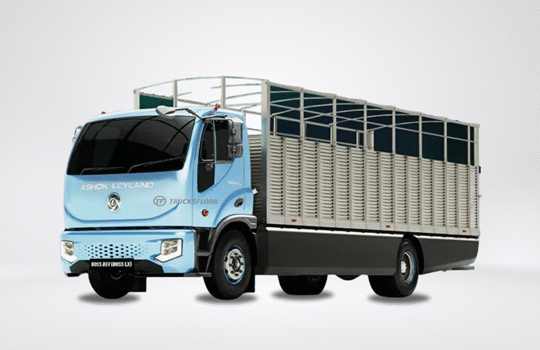



The rule: From October 1, 2025, any new N2/N3 truck (basically >3.5-ton goods vehicles) made in India must come with an AC cabin. If it’s a drive-away chassis, the chassis maker must provide a proper AC kit so body builders can fit it.
What this means for everyone
1) Truck makers (OEMs)
- They’ve got to size and fit ACs properly for Indian heat, upgrade alternators if needed, improve cabin sealing/insulation, and get the setup approved.
- Expect a small price bump on new trucks—roughly ~1–1.5% extra ex-showroom because of AC parts and integration.
- For chassis-cowl models, they need to supply type-approved AC kits and clear installation guides for body builders.
2) Fleets (operators)
- Buying new: Budget a little extra (again, ~1–1.5%).
- Running cost: AC uses some fuel—think a few percent more while moving. The big fuel waste actually happens during idling (engine on, truck parked) for cabin cooling.
- People & safety: AC lowers heat stress and fatigue. Drivers stay fresher, make fewer mistakes, and are easier to hire and keep.
3) Resale (used trucks)
- Two clear buckets now:
- 2025-and-newer (factory AC): easier to sell, better driver appeal, stronger prices.
- Pre-2025 (mostly non-AC): will sell, but buyers may ask for a discount unless there’s a clean retrofit.
- If you’re listing trucks, call out “Factory AC / Retrofit AC / No AC” up front and show basic HVAC service info. It helps value.
Why AC matters beyond comfort
- Heat drains the body and brain. Dehydration and high cabin temps slow reactions and increase mistakes.
- Fatigue is a real crash risk. Cooling the cabin lowers strain, keeps drivers alert, and reduces risk—especially on hot routes and long hauls.
Retrofits for pre-Oct-2025 trucks
You don’t have to retrofit by law, but it boosts driver comfort and resale.
Option A: Engine-driven AC kit (like OEM style)
- What’s in it: compressor, condenser, evaporator/blower, dryer, TXV, hoses, wiring, brackets, controls.
- Check first: alternator size, belt routing space, airflow, cabin sealing/insulation, drain routing.
- Good for: cooling while driving.
- Budget: about ₹60,000–₹1.5 lakh (model and parts quality decide the exact number).
Option B: Electric “parking AC” (rooftop/split, 12/24V)
- What it’s for: cooling during halts with engine OFF (this is the idling fuel saver).
- Needs: maybe a better battery/alternator, proper wiring protection, roof mount strength.
- Good for: long-haul trucks that wait often (dhaba stops, docks, tolls).
- Budget: about ₹1.0–₹1.8 lakh depending on capacity and battery setup.
Tips:
- Use OEM-approved kits or reputable HVAC installers.
- Keep paperwork (invoice/job card) to show buyers later.
- If you do both (engine AC + parking AC), you cover both on-road comfort and halt comfort with minimal fuel waste.
To-do list
OEMs
- Finalize AC hardware for all cabs, publish kit manuals for body builders, and train dealers on AC diagnostics.
Fleets
- Update FY25–26 purchase plans with the small AC price bump.
- On long-haul routes, trial parking AC and start an idling-reduction policy (track idling in telematics, reward improvements).
- Run a simple A/B pilot: two similar trucks, one with parking AC, one without—compare fuel, uptime, driver feedback, and attrition.
Used-truck sellers / marketplaces (e.g., Trucks99)
- Add clear badges: Factory AC / Retrofit AC / No AC.
- Show estimated retrofit cost and a quick “idling fuel saved” number on listings to protect value for older, non-AC trucks.
One-line takeaways
- From Oct 1, 2025, new heavy trucks must have AC cabins.
- Expect small price increase, slight fuel use on the move, big savings if you kill idling with parking AC, and happier, safer drivers.
Pre-2025 trucks stay legal without AC, but retrofits help resale and driver comfort—especially on hot, long routes.