


Why Vans are Hot in the Used Market
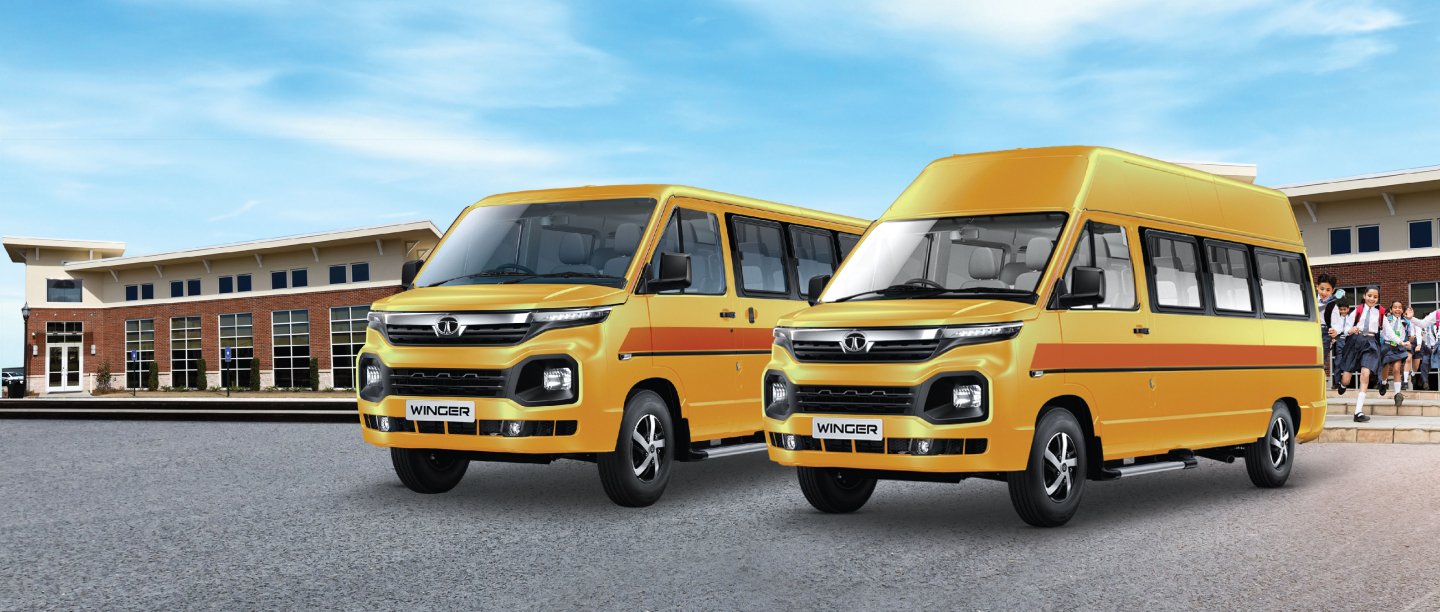
Multipurpose duty (staff shuttle, tourist circuits, school routes, hotel/airport transfers, cargo conversions), lower capex vs buses, and easier city access make used vans attractive. Clean papers and fitness history accelerate approvals and resale.
Choosing the Right Configuration
• Seating: 9/12/13/17/20 seats; more seats raise AC load and tyre wear.
• Roof height: standard vs high-roof (tourist comfort, luggage racks).
• Fuel: Diesel dominates; CNG is viable in select cities—check tank test validity.
• Use case: tourist (comfort, music, luggage), staff (durability, easy cleaning), school (safety features).
Indicative Price Bands (vary by state & condition)
Table: Used Vans/Tempo Travellers/Wingers Price Bands by Age
| Seating & Type | 3–5 yrs | 6–8 yrs | 9–12 yrs |
| 9–12 seater (staff/school) | ₹6–10L | ₹3.8–6.5L | ₹2.5–4.0L |
| 12–17 seater (tourist/staff) | ₹8–14L | ₹5–9L | ₹3.2–5.5L |
| 17–20 seater high-roof (tourist) | ₹10–18L | ₹6–11L | ₹4–7L |
Note: Tourist-spec (roof AC, luggage racks, push-back seats) commands a premium. CNG pricing depends on local pump network.
Paperwork & Permits
• RC + FC valid; check FC date on older vans.
• Permit type: Contract Carriage (tourist/staff/school).
• Conversions: cargo ↔ passenger must be endorsed in RC; insurance must match body type.
• Hypothecation/NOC for inter-state transfer; tax & challans must be clear.
• Insurance: include passenger liability for tourist/staff use.
45-Minute Inspection Checklist
• Body & Frame: floor rust (esp. near sliding door), roof leaks, seat anchor points.
• Engine/Driveline: blow-by, injector chatter, engine mounts; clutch bite and slip on incline.
• Cooling/AC: roof AC airflow to last rows; compressor cycling; condenser fans.
• Suspension/Brakes: leaf/coil condition, rear shocks, brake pedal feel, handbrake on slope.
• Electricals: alternator voltage, cabin lights, music system (tourist), reverse camera.
• Tyres: even wear; 215/75R15/16—check age and retread history.
• Interior: seat rails, seatbelts, jack/toolkit, fire extinguisher.
• Odometer sanity: compare with wear and service booklet.
TCO & Real-World Running
Fuel: 9–13 km/l highway; 8–10 km/l city (diesel). CNG varies with load/AC.
Tyres: 40–60k km typical; rotate every 8–10k km.
Service: oil 10–15k km; brake pads 25–40k km; clutch 80k–1.5 lakh km.
AC: budget ₹15–40k annually on older high-roof tourist vans.
Per-km cost ≈ fuel/km + tyres/km + service/repairs/km + driver/helper/km + permit/tax/km + EMI/km.
Tourist vs Staff Van: Which Makes More Money?
• Tourist: higher per-day realisation but seasonal; interiors and AC must be top-notch; aggregator tie-ups help.
• Staff: lower rate but steady monthly contracts; easier cash-flow planning; predictable wear-and-tear.
Finance & Insurance (Used Vans)
• LTV: 65–80% on younger vans; lower for older stock.
• Tenure: 3–5 years; NBFCs flexible.
• Insurance add-ons: passenger liability, zero-dep (newer vans), engine protector (monsoon), roadside assistance.
Refurb that Pays Back
High ROI: seat re-upholstery, cabin deep-clean, AC restoration, new floor matting.
Medium ROI: alloy wheels/tyres (tourist aesthetics).
Low ROI: full repaint unless branding demands.
RC/Permit Transfer — Fast Track
1) Paper check: RC/FC/permit/insurance/tax/challan.
2) Deal note + token; Forms 29/30 (or state equivalent).
3) RTO transfer + permit endorsement; pay tax/fees.
4) Insurance name transfer + passenger liability.
5) Final handover + checklists, spare keys, tool kit.
FAQs — Vans/Tempo Travellers/Wingers (India)
Q: Which is better for tourist use—Force Traveller or Tata Winger?
A: Traveller offers ruggedness and space; Winger is more car-like. For heavy tourist duty with 17–20 seats, Traveller usually wins on durability.
Q: What seating sells fastest on resale?
A: 12–17 seater high-roof tourist configurations see the widest demand across cities and tourist circuits.
Q: Can I convert cargo to passenger legally?
A: Yes, with RTO-approved conversion and RC endorsement; insurance and fitness must match the new body type.
Q: What are sensible daily rates for a 17-seater tourist van?
A: Rates vary by city/season; benchmark by km slabs (e.g., 250–300 km/day) plus driver allowance and tolls.
Q: How do I check for odometer tampering on a van?
A: Match service records, cabin wear, ECU data (if available), and prior operator logs; beware of mismatched seat/floor condition.
Q: What’s typical fuel economy?
A: Diesel vans: 9–13 km/l highway, 8–10 km/l city; CNG depends on load, route, and AC use.
Q: What permits do I need for tourist operations?
A: Contract Carriage permit with tourist endorsement where applicable; check state rules for badges and signage.
Q: Which refurb items give the best ROI before sale?
A: AC restoration, seat re-upholstery, deep cleaning, and floor replacement improve both price and time-to-sell.
Q: How much tyre life should I plan for?
A: Most vans see 40–60k km with proper rotation and alignment; budget earlier replacement for heavy city duty.
Q: Can I buy inter-state and register locally?
A: Yes—obtain NOC, pay applicable taxes/fees, and complete permit/RC transfer per local RTO norms.